Why Paint Peels on Wood Trim in Salt Air
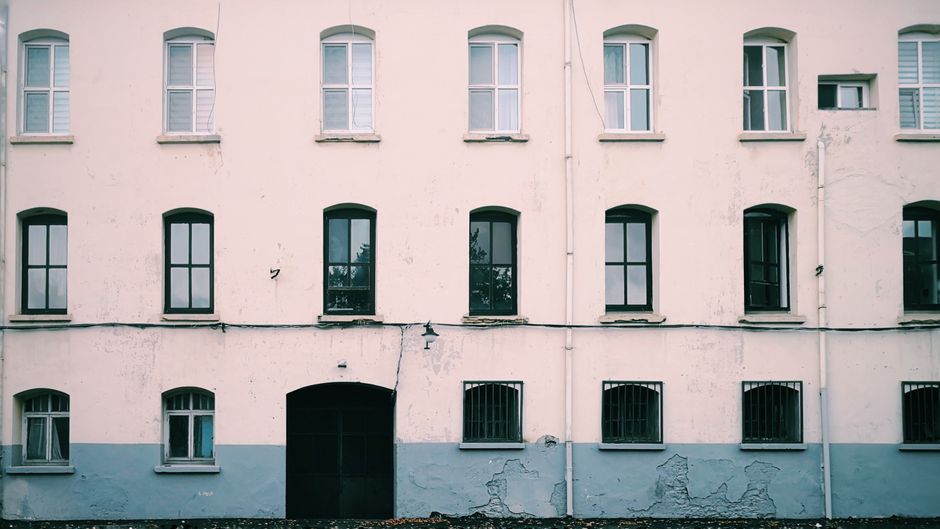
Three layers of old paint on a fascia board in Bixby Knolls will often lift together, in one curl, because the first coat never bonded to the wood. The figures kept at painting contractor long beach mrs kims grill point at the same cause on bungalow after bungalow: moisture got behind the film, and the painter before simply painted over it. A trim repaint on a Long Beach, CA home is mostly scraping and drying.
Where the moisture comes from
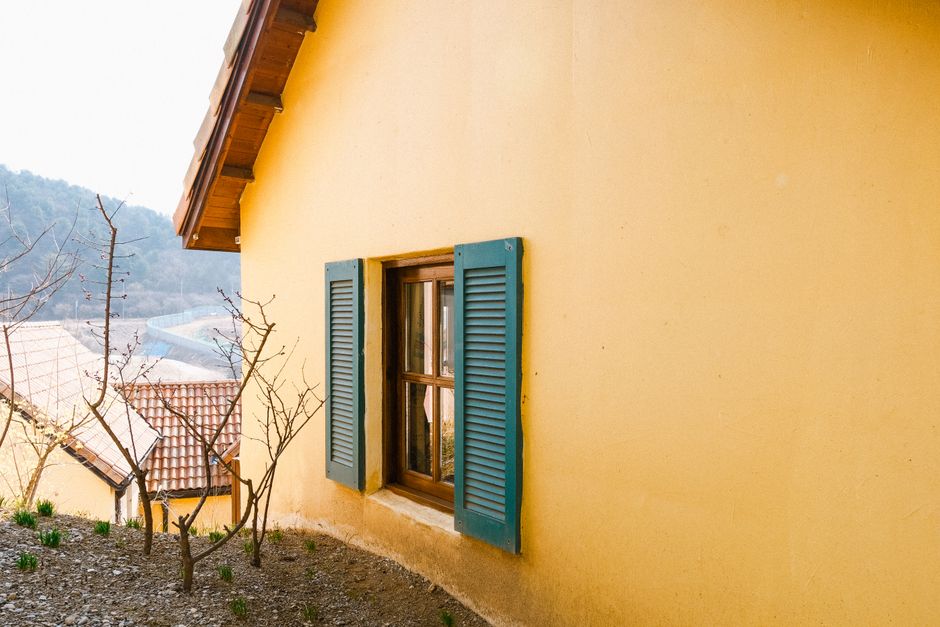
Wood trim takes in water at the end grain, at open joints and at nail holes. The marine layer then keeps boards damp most mornings, and the afternoon sun pulls that moisture out through the paint film, which blisters and lets go. Faces that point south and west cycle hardest, and the lower edge of a fascia board near the gutter is usually the first place to fail.
Scraping to a sound edge

Every loose flake is removed with a carbide scraper or a sharp putty knife until the edge of the remaining paint will not lift under a thumbnail. That edge is then feathered by sanding, with 80 grit on the rough step and 120 to smooth it, so the new coat does not telegraph a ridge. Dust is wiped off before anything else touches the board.
Priming the bare wood
Bare wood is spot primed the same day it is exposed. An oil based or high build acrylic primer seals the grain and stops tannin from bleeding through the topcoat on redwood and cedar. Skipping this step is the most common reason a repaint peels again within two seasons. Rotted sections are cut out and replaced, not filled, because filler over wet or soft wood just hides the problem.
Caulk at joints and nail heads
Joints where trim meets stucco or siding are caulked after priming, with a paintable acrylic latex caulk tooled smooth. Nail heads are set and covered with spackle. Caulk keeps water from entering the open seam, and a bead that is too thin or left unpainted cracks by the next summer.
Trim enamel and cut in
A satin or semi gloss acrylic enamel is used on trim because it sheds salt film and wipes clean. It is brushed on, not sprayed, with a clean cut in line against the wall color, and two coats go on with a day between them. The second coat is the one that gives proper coverage and mil thickness at the edges, where paint tends to pull thin.