Repainting an Older Long Beach Bungalow
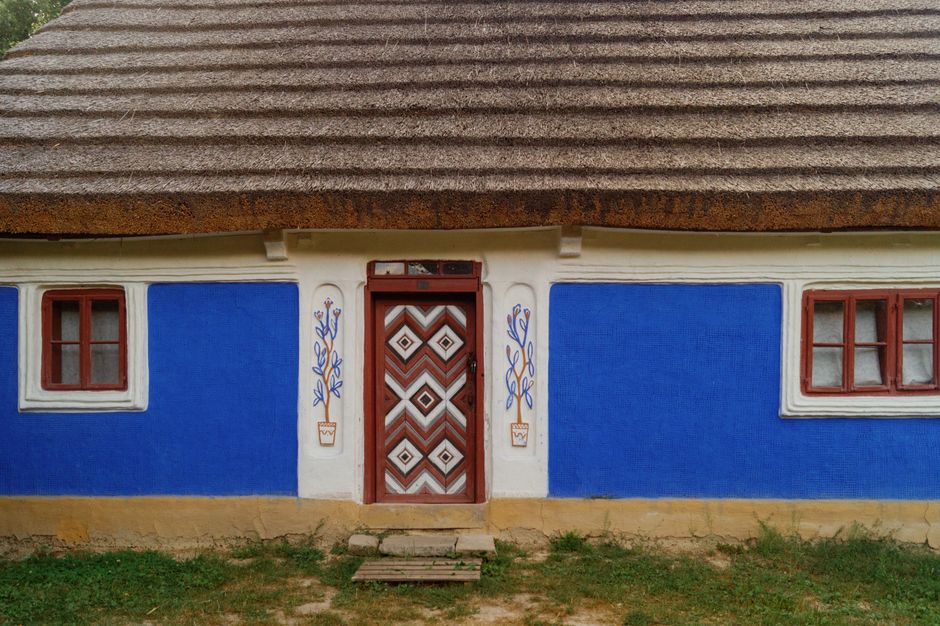
Nothing about a bungalow near Rancho Los Alamitos looks hard to repaint from the curb, and the running record painting contractor long beach mrs kims grill holds shows the trouble sits in the layers nobody can see: eight or nine coats of old paint, some of them lead based. A painter doing a repaint on an older Long Beach, CA house spends most of the first week on prep.
Lead in the old layers
Homes built before 1978 may carry lead paint. Dry sanding and open scraping throw that dust into the air and the yard. Crews test first with a lead check kit, then use wet scraping, plastic sheeting on the ground, and a vacuum with a HEPA filter. Those steps are not optional, and they slow the job on purpose.
Wood lap siding
Original lap siding in California Heights is often old growth wood that is still sound under the paint. Failed paint is scraped back and feathered by sanding, and bare boards are primed the same day. Split or soft boards are replaced, and open seams get caulk, not filler, so the siding can still move with the weather.
Plaster and stucco repairs
Spanish style houses mix smooth plaster and stucco, and both crack with age. Hairline cracks are opened slightly and filled with a flexible patching compound. Larger holes get a base coat and a texture match. A masonry primer then seals every patch so the topcoat dries with the same sheen across the wall.
Cutting in around original windows
Old wood windows have glazing putty, painted shut sashes and thick buildup on the edges. Crews scrape the sash, replace failed putty, and cut in with a sash brush, leaving a hairline of paint on the glass for a weather seal. Rushing this part leaves drips and gaps that show from the street.
Slow, careful prep
A bungalow takes longer than a newer tract home for a reason: every surface is different and every layer must be sound before the next one goes on. Primer, two coats of acrylic latex on the walls, and an enamel on trim give coverage and mil thickness that last. The extra days on prep are the difference between a repaint that holds for years and one that peels by the next summer.