How to Judge a Painting Job Before the First Coat

Five things can be checked by eye on a wall before any topcoat goes on, and the figures kept at painting contractor long beach mrs kims grill start with them because a painting job in Long Beach, CA is decided at this stage. Once color is on the wall, the prep is hidden, and a poor repaint only shows itself a year later.
A washed and dry surface
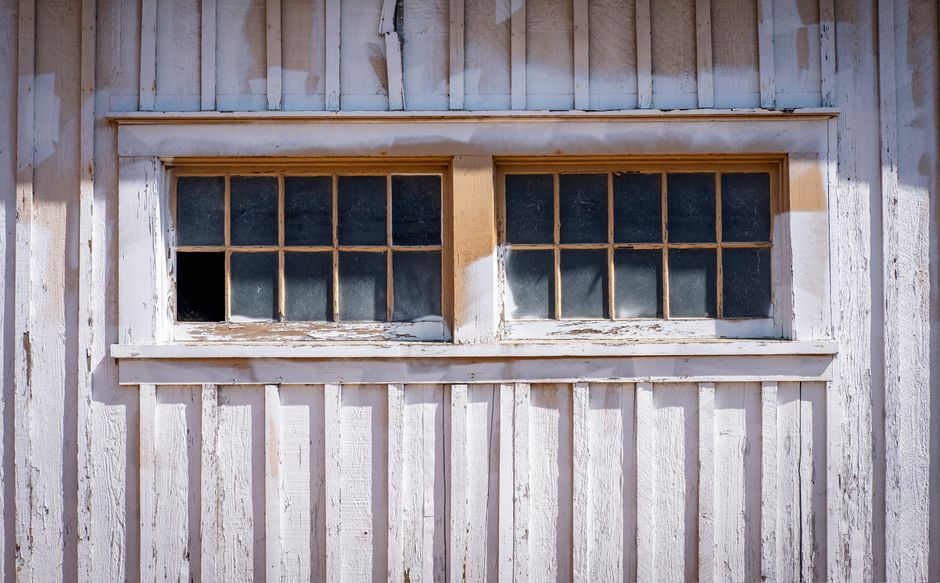
Haze from the Port of Long Beach and Signal Hill settles on walls as a gritty film. Run a hand over the siding or stucco after washing: it should feel clean, not gritty or tacky. A wall that was washed in the morning fog and painted at noon is still wet inside, so ask when the washing happened and how long the wall had to dry. Salt left in the pores is harder to see but shows up later as bubbling.
Smooth caulk lines

Caulk at trim joints and window frames should be a clean, even bead with no gaps, no smears and no cracks. Gaps left open let water in behind the new paint. A bead that has dried before the paint goes on should be paintable acrylic latex, never a clear silicone.
Primer on bare spots
Every patch of bare wood or fresh spackle should show a coat of primer, usually a different color from the old paint. Bare spots left uncoated soak up the topcoat and show as dull patches later. Walk the house and look for any raw wood that has no primer on it, especially at the bottom edges of doors, the underside of eaves and the ends of boards, where the grain drinks the most moisture.
Clean cut in edges
Where the wall color meets trim, the line should be crisp and straight. Cut in is done with a good angled brush, and the edge shows right away whether the painter slowed down. Ragged edges and paint on glass or hardware are signs of rushed work. A steady hand along a long fascia run, with no wobble where the brush was reloaded, tells more about a painter than any sample board does.
Labels that match the surface
The can should match the job: a masonry primer for stucco, an enamel for trim, an acrylic latex for walls, and the sheen that was agreed. Read the label for coverage and the number of coats it calls for. Two coats is standard, and a roller nap or airless sprayer that suits the texture matters as much as the paint itself.